6- Days discover Rwanda’s History: From Ancient Kingdom to Modern Nation

Discover the fascinating history of Rwanda on a six-day journey through the country’s most significant historical, cultural, and political landmarks. Begin in Kigali, exploring the history of the 1994 Genocide against the Tutsi and Rwanda’s journey toward reconciliation and development. Continue to Nyanza to discover the traditions of the Rwandan monarchy, including the former royal palace and the history of King Mutara III Rudahigwa. Travel to Huye to explore Rwanda’s cultural heritage and the historical role of education and religion. Continue to Kibuye in Karongi District to visit Bisesero, a powerful historical site commemorating the courage and resistance of Tutsi who fought against the perpetrators of the genocide. Discover the stories of survival, resistance, and remembrance. Conclude your journey by exploring Rwanda’s political transformation, national rebuilding, and modern development This tour offers a meaningful opportunity to understand Rwanda’s past, appreciate its cultural identity, and discover how the country continues to build its future

Duration
6 Day/ 5 Nights
Group size
1–15 people
Type
culture
Destination
Kigali
Share this tourWhatsApp

What's included

  • Private transportation throughout the tour.
  • Professional English-speaking driver-guide.
  • Accommodation for 5 nights.
  • Breakfasts throughout the tour.
  • Lunches during the tour.
  • Entrance fees to the listed historical sites and museums, subject to confirmation.
  • Visits to the Kigali Genocide Memorial, King’s Palace Museum, Ethnographic Museum, and Bisesero Genocide Memorial.
  • Drinking water during road transfers.
  • Airport pick-up and drop-off.
  • Government taxes and VAT where applicable.
  • Historical explanations and cultural interpretation by the guide

Not included

  • International and domestic flight tickets.
  • Rwanda visa fees, if applicable.
  • Travel and medical insurance.
  • Dinners and other meals not specified in the inclusions.
  • Alcoholic and other personal beverages.
  • Personal shopping and souvenirs.
  • Tips and gratuities.
  • Personal expenses.
  • Optional activities not mentioned in the itinerary.
  • Additional accommodation resulting from early arrival or late departure

Itinerary

1Day 1: Kigali – Rwanda’s Political History and the 1994 Genocidekigali
Main theme: Rwanda’s recent history, genocide, and national recovery. Kigali Genocide Memorial: Learn about the history of the 1994 Genocide against the Tutsi, its causes and consequences, and the importance of remembrance. Camp Kigali Belgian Peacekeepers Memorial: Learn about the ten Belgian UN peacekeepers killed in April 1994 and the broader context of the international response during the genocide. Kigali city historical tour: Discover how Kigali has developed from a small colonial-era settlement into Rwanda’s modern capital. Kigali city viewpoint: Enjoy views of the city and learn about its contemporary development
2Day 2: Nyanza – The History of the Rwandan KingdomNyanza
Main theme: Rwanda before colonial rule, monarchy, and traditional governance. Travel south to Nyanza, one of the most important centers of Rwanda’s royal history. King’s Palace Museum, Rukari: Explore the traditional royal residence and learn about the organization of the Rwandan kingdom, royal customs, and the role of the monarchy. Inyambo royal cattle: Discover the cultural significance of the long-horned cattle associated with the royal court. Rwesero Art Museum: Explore Rwanda’s artistic heritage and its relationship with contemporary national identity. Historical discussion: Learn about the reigns of important Rwandan kings, including King Yuhi V Musinga and King Mutara III Rudahigwa, and the transformation of the monarchy during the colonial period.
3Day 3: Huye – Colonial History, Education, and CultureHuye
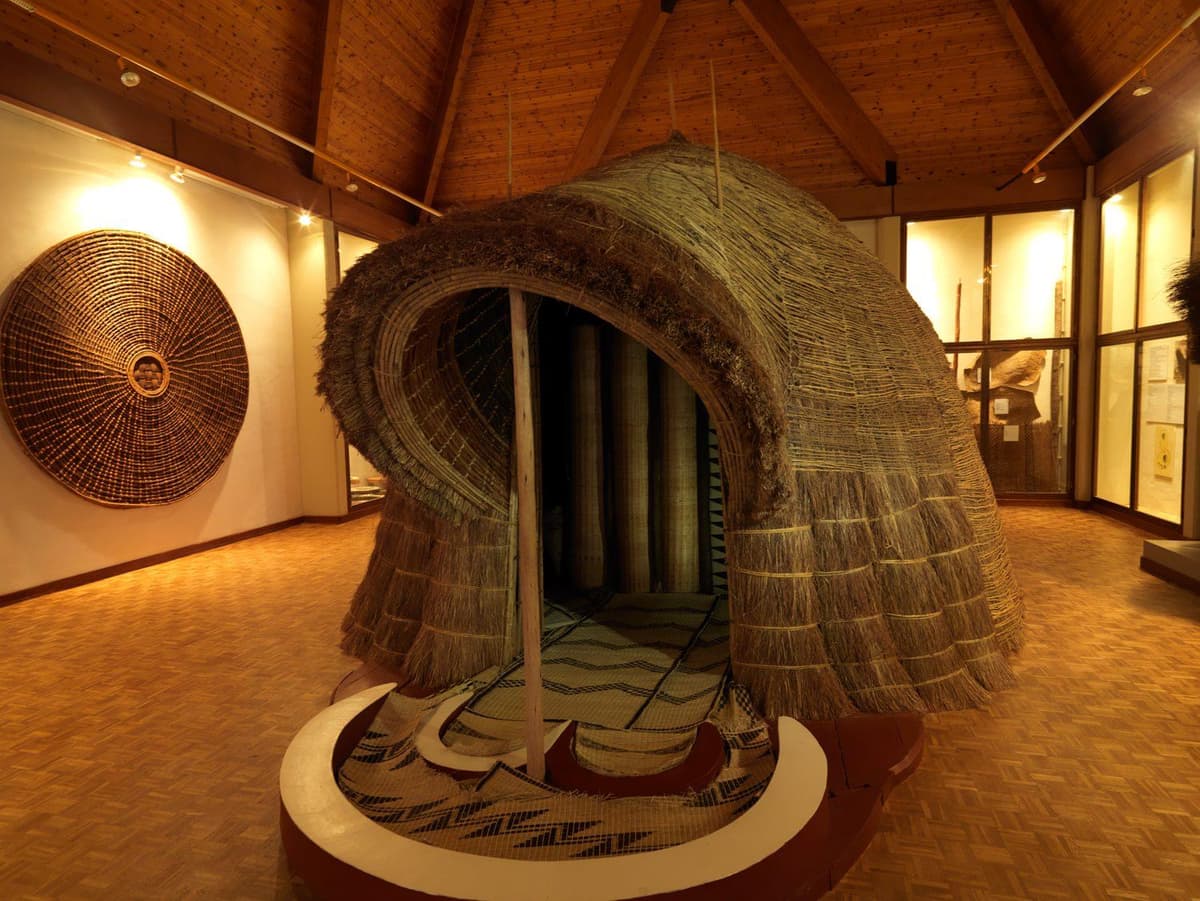
Main theme: Colonialism, cultural identity, education, and social change. Ethnographic Museum: Discover Rwanda’s traditional social organization, material culture, architecture, agricultural practices, and historical customs. Huye historical town tour: Learn about the development of Butare, now known as Huye, as an important center of education, religion, and administration. University of Rwanda, Huye Campus: Understand the role of higher education in Rwanda’s intellectual and national development. Colonial history discussion: Learn about German and Belgian colonial rule, the introduction of colonial administrative systems, missionary influence, and changes in social and political structures.
4Day 4: Kibuye – The History of BiseseroKarongi
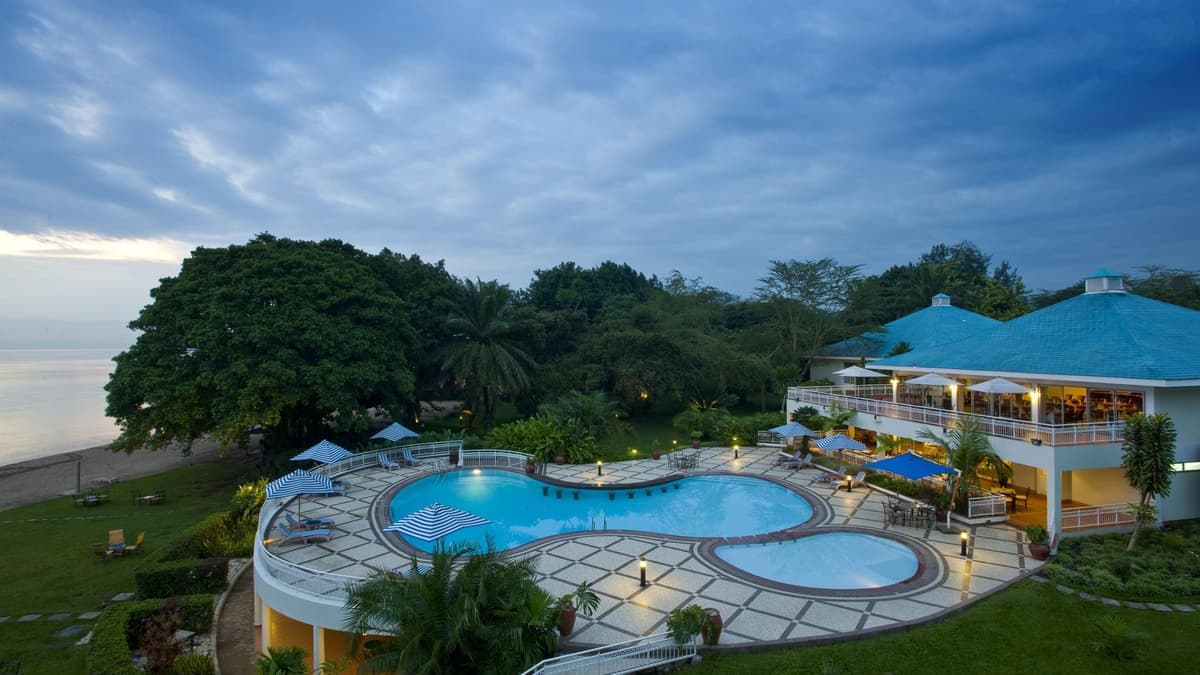
Travel to Kibuye, Karongi District Enjoy the scenic journey toward Lake Kivu. Learn about the historical significance of the western region during the genocide. Visit Bisesero Genocide Memorial Bisesero is an essential stop for understanding the history of the genocide and the resistance of Tutsi in the area. Learn about the courage of Tutsi who organized resistance against attackers. Discover the difficult conditions in which people attempted to defend themselves and protect their families. Learn about the attacks that took place in Bisesero and the arrival of French forces in the area in late June 1994. Reflect on the importance of preserving survivors’ testimonies and honoring the victims. Evening: Rest and reflection near Lake Kivu.
5Day 5: Kibuye – Rwanda’s Recovery and National TransformationKarongi
Main theme: Reconciliation, governance, national rebuilding, and modern Rwanda. Morning in Kibuye: Enjoy the scenery of Lake Kivu and learn about life in western Rwanda before and after 1994. Journey toward Kigali: Travel back toward the capital while discussing Rwanda’s post-genocide recovery. National reconciliation and justice: Learn about the role of community-based Gacaca courts, national reconciliation initiatives, and efforts to rebuild trust. Modern Rwanda: Explore Kigali’s changing urban landscape and discuss development in infrastructure, education, tourism, technology, and public services. Kigali Convention Centre area: Learn about Rwanda’s ambitions to become a regional center for conferences, investment, and tourism.
6Day 6: Kigali – Independence, Political Change, and Rwanda TodayKigali
Main theme: Independence, political transformation, and the future of Rwanda. Independence and political history: Learn about Rwanda’s transition from colonial administration to independence in 1962 and the major political developments that followed. Parliamentary area: Discover the role of national institutions in contemporary Rwanda. Any visit inside government buildings would require prior authorization. Modern Kigali: Explore selected areas illustrating the city’s urban development and changing economy. Final discussion: Reflect on the journey from the ancient kingdom through colonial rule, independence, the genocide, and the country’s ongoing development
  1. kigali
  2. →Nyanza
  3. →Huye
  4. →Karongi
  5. →Kigali

Good to know

Meeting point
Kigali International Airport, Or your Hotel
Cancellation
Free cancellation up to 7 days before the trip; a 50% refund up to 48 hours before.

What to bring

  • Comfortable walking shoes.
  • Lightweight clothing suitable for warm weather.
  • A light jacket or raincoat.
  • Sun hat, sunglasses, and sunscreen.
  • Personal medication and basic toiletries.
  • A reusable water bottle.
  • Camera or smartphone, subject to memorial photography rules.
  • Passport or another accepted identification document.
  • Some cash for personal expenses and tips.
  • A respectful attitude and appropriate clothing when visiting memorial sites

Reviews

No reviews yet — be the first to travel and tell us about it.

You might also like
From

$1,750/ person

  1. Trip
  2. Details
  3. Payment
Travellers2 travellers · max 15
$1,750 × 2 travellers$3,500
Total$3,500

You won't be charged yet.

Secure checkoutMTN MoMoVisa and Mastercard

Questions before you book?

Private dates, bigger groups, custom plans — just ask.

Send us a message

From $1,750 / person

Book now