
Why July Matters Differently in Rwanda Than Any Other Country in the World
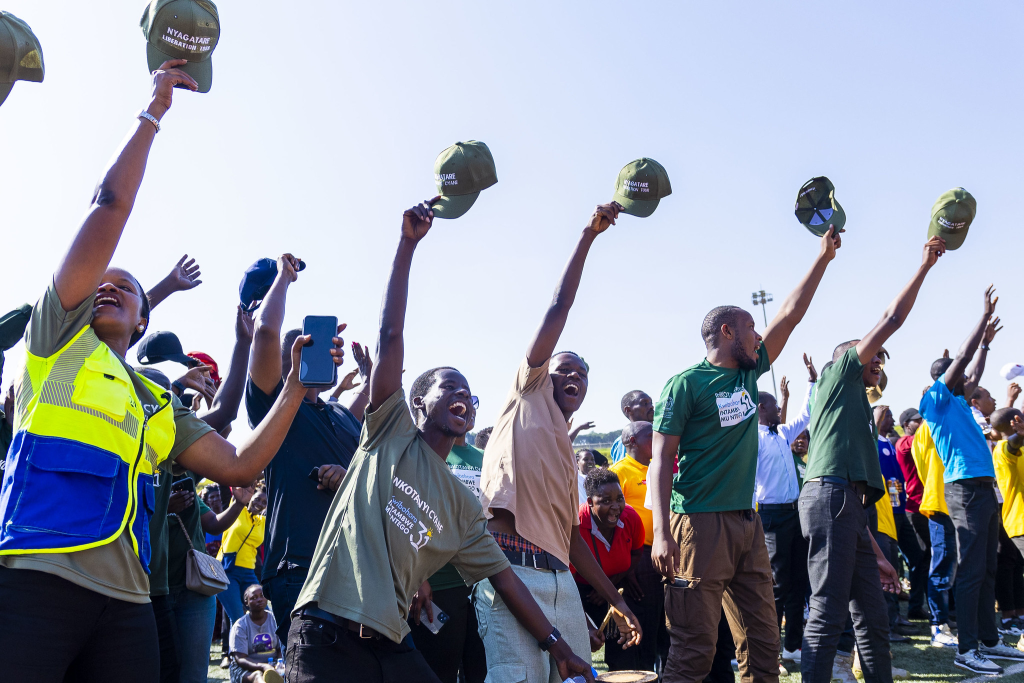
Most countries celebrate one independence day. Rwanda celebrates two, each a week apart, each commemorating fundamentally different moments in the nation’s journey. And they couldn’t be more different in meaning, emotion, or what they represent for the Rwandan people.
This distinction reveals something profound about Rwanda’s history. To understand these two holidays is to understand Rwanda itself, its past, its present, and the ongoing struggle to build something entirely new from unimaginable tragedy.
On July 1, Rwanda marks Independence Day, commemorating freedom from Belgium in 1962. A week later, on July 4, Rwanda celebrates Liberation Day (Kwibohora), marking the end of the 1994 genocide and the beginning of national rebirth.
But these aren’t just dates on a calendar. They’re spiritual landmarks defining Rwanda’s sense of itself. As President Paul Kagame has said over the years, understanding liberation requires understanding what liberation actually means for Rwanda.
July 1: Independence Day, The Day Rwanda Left Colonial Rule Behind
What Happened on July 1, 1962
On July 1, 1962, Rwanda officially became independent from Belgium after decades under colonial administration. The Belgian colonial period began after World War I, when Belgium took control of the former German territory as a League of Nations mandate.
This wasn’t liberation in the sense Rwandans would later understand the word. It was political independence a transfer of administrative control from a foreign power to local authorities. The Hutu-led government assumed power, officially ending Belgian colonial rule.
But independence came with unresolved tensions that would fester for three decades.
The Colonial Legacy That Shaped Modern Rwanda
Before Belgian rule, Rwanda had a kingdom with a Tutsi monarchy. German colonizers arrived in the 1890s, then Belgium took over after World War I. The Belgian administration made a fateful decision: they institutionalized ethnic categories and favored the Tutsi minority for administrative positions, systematizing divisions that may have existed but became hardened under colonial classification.
This colonial preference for Tutsis as administrators created resentment among the Hutu majority. When independence approached in 1962, power shifted dramatically. The Hutu-led government that took control was determined to reverse colonial favoritism.
What should have been a moment of national unity became a moment of ethnic reversal. Rather than building inclusive governance, the new government pursued Hutu dominance. Tens of thousands of Tutsis were killed in 1959 violence preceding independence. Hundreds of thousands of Tutsis fled Rwanda as refugees, settling in Uganda, Burundi, Congo, and Tanzania.
The Shadow Independence Cast
Rwanda’s independence in 1962 is celebrated officially as a national holiday, but it’s markedly less prominent in public consciousness and celebration than Liberation Day. This contrast reflects a historical reality: independence in 1962 didn’t solve Rwanda’s fundamental problems. It simply transferred who wielded power.
The independence era lasted until 1994 thirty-two years of ethnic tension, periodic violence, civil conflict, and ultimately genocide. So for many Rwandans, Independence Day carries complicated meaning. It’s freedom from Belgium, yes, but it’s also the beginning of three decades of escalating tragedy.
Independence Day ceremonies are quieter, more reflective than Liberation Day celebrations. There’s official recognition but without the enthusiasm and street celebrations that characterize July 4.
How Independence Day Is Marked
On July 1, Rwanda observes a public holiday. Government buildings display the flag. There are official remembrances acknowledging independence. But you won’t see the massive military parades, the thousands gathering in stadiums, or the celebratory concerts that mark Liberation Day.
Some government officials give speeches reflecting on independence and what it represented. Schools may teach lessons about the independence struggle. But the commemoration is subdued compared to what follows a week later.
This itself is meaningful. It reflects Rwandan collective understanding that political independence without justice, dignity, and unity is incomplete.
July 4: Liberation Day (Kwibohora): The Day Rwanda Liberated Itself
What Happened on July 4, 1994
On July 4, 1994, after one hundred days of genocide that killed more than 1,000,000 Rwandans, the Rwanda Patriotic Front (RPF), led by Paul Kagame, liberated Kigali, the capital, effectively ending the genocide.
But July 4 wasn’t technically when the war ended. Fighting continued until July 18 when the RPF liberated northwestern Rwanda. However, July 4 is when Kigali fell, when the mass killing began to stop, when Rwanda’s survival was secured.
The RPF chose July 4 as Liberation Day immediately, recognizing its profound significance.
The Genocide That Preceded Liberation
Understanding Liberation Day requires understanding the genocide that came before it.
In 1990, the RPF, composed largely of Tutsi refugees living in Uganda, launched an invasion seeking the right to return and political transformation. This civil conflict escalated tensions within Rwanda. In 1993, the Arusha Accords were signed, attempting to end the war through negotiated peace and power-sharing.
But on April 6, 1994, the plane carrying Hutu President Juvénal Habyarimana was shot down. His assassination triggered the signal for genocide. Within hours, roadblocks appeared across Kigali. Tutsis and politically moderate Hutus were hunted systematically.
The genocide wasn’t spontaneous violence. It was organized. Neighbors killed neighbors. Militia groups trained weeks before conducted coordinated attacks. Radio broadcasts directed killers to specific locations. Teachers killed students. Priests killed parishioners seeking refuge in churches.
In one hundred days, more than 1,000,000 people were murdered. Bodies filled churches, schools, rivers. Mass graves were dug continuously. The Rwandan genocide became one of the twentieth century’s worst atrocities.
The RPF fought northward from Uganda, gradually pushing toward Kigali. By early July, the genocide was reaching its climax even as RPF forces approached the capital.
The Liberation Campaign
The RPF didn’t just appear to save Rwanda. They fought a brutal civil war while genocide occurred. RPF soldiers advanced through areas where genocide was happening, stopping killings where they could, liberating communities, creating safe zones.
But they couldn’t be everywhere. Hundreds of thousands were killed in areas the RPF reached too late. The RPF succeeded militarily, but millions of Rwandans experienced liberation as coming from outside, as forces arriving after family members were already murdered.
This complexity runs through Liberation Day commemoration. It’s not purely celebratory because salvation came at such cost.
Kwibohora: What the Word Means
Kwibohora means “liberation” in Kinyarwanda. But in Rwandan usage, it carries deeper meaning than simple military victory.
Liberation, in Rwandan understanding shaped by genocide and rebuilding, means:
Freedom from ethnic killing
Security from violence
Restoration of human dignity
Beginning of national healing
Opportunity to rebuild
Hope for the future
Kwibohora isn’t just about July 4, 1994. It’s an ongoing process. As President Kagame has repeatedly emphasized, real liberation begins when the guns fall silent. The weapons stop, but the work of liberation reconciliation, justice, unity, development continues.
The Distinction: Why These Two Dates Matter So Differently
Independence vs. Liberation: Two Different Meanings
Independence (July 1) meant freedom from external colonial rule. A country gaining control of its own government and institutions.
Liberation (July 4) meant freedom from internal genocide, ethnic division, and existential threat. A people choosing to rebuild themselves as one nation.
Rwanda’s experience makes this distinction visceral. Gaining independence from Belgium didn’t solve Rwanda’s problems. In fact, the independence era is marked in Rwandan historical consciousness as a period of increasing violence, culminating in genocide.
True liberation required more than political independence. It required:
Stopping mass killing
Ending ethnic divisions that made genocide possible
Rebuilding destroyed infrastructure
Establishing justice and accountability
Creating institutional systems enabling unity
Developing economics benefiting all Rwandans
This is why Liberation Day overshadows Independence Day in Rwandan consciousness. Independence didn’t accomplish what Rwandans ultimately needed. Liberation began that process.
The Emotional Difference in Celebration
Walk through Kigali on July 1 and you’ll notice quietness. Government offices close. Flags are displayed. But there’s no electricity of expectation, no sense of profound national moment.
Walk through Kigali on July 4 and you experience something completely different. Hundreds of thousands gather. The military parades at Amahoro Stadium become national ritual. Delegations from across Africa attend. There’s music, celebration, flags, and a palpable sense of national identity.
Yet paradoxically, July 4 is also a day of mourning. Rwandans visit genocide memorials. They remember the million murdered. They acknowledge that liberation came at ultimate cost.
This bittersweet tone simultaneous celebration and mourning defines Kwibohora. It’s joy at survival mixed with profound sadness about what was lost.
What President Paul Kagame Has Said About These Two Dates
President Kagame, who led the RPF and became Rwanda’s leader after liberation, has given numerous speeches on Liberation Day over the decades. His words reveal how Rwanda’s leadership understands these moments.
On the Meaning of Liberation (2014 – Kwibohora 20)
In his 2014 speech on the twentieth anniversary, Kagame spoke directly to the question: what does liberation mean?
On the 4th of July in 1994, the darkest chapter in our history was brought to a close, and life could begin anew. Too much was lost to commemorate that day as a triumph, and our liberation struggle is far from over.
This statement is crucial. Kagame explicitly rejects the idea that July 4, 1994 is simply a triumph. Yes, the genocide ended. But a million people were dead. Survivors traumatized. Infrastructure destroyed. National unity shattered.
He continues: But we have come far enough, these past twenty years, to permit ourselves a moment of sober satisfaction, as we recommit to the journey ahead.
Notice the language: “sober satisfaction,” not triumphalism. The work of liberation is ongoing. Each milestone allows Rwandans to “do more, to confront other challenges and overcome them.”
Kagame also addresses the continental significance: Rwanda’s experience was, and is, an African one. Both the collapse and the rebirth of our country are part of the African story, not isolated episodes that stand outside of it.
He’s positioning Rwanda’s genocide and liberation within larger African struggles for self-determination and dignity.
On Dignity and Rights (2019 – Kwibohora 25)
Five years later, in 2019, Kagame returned to the question of what Rwandans were actually fighting for.
We believed in our right to dignity as Rwandans. This conviction was the starting point of the liberation struggle. The aim was to build a Rwanda with equal rights for all. In other words, a republic in the real sense.
This reframes liberation entirely. It’s not about Tutsi victory over Hutus. It’s about dignity being treated as human beings with rights, not objects to be used or discarded.
For decades and decades, Rwandans were treated as objects to be used and discarded by anyone, especially the powerful. It won’t be anymore.”
Kagame then emphasizes: Liberation was not about restoring the past, but creating something fundamentally new and better for all Rwandans.”
This is essential. Liberation isn’t about returning to pre-1962 Rwanda or pre-1994 Rwanda. It’s about creating an entirely new nation based on different principles.
On the Ongoing Struggle (2024 – Kwibohora 30)
In his 2024 speech marking the thirtieth anniversary of liberation, Kagame addressed current Rwanda and the generational challenge ahead.
He began by emphasizing memory and gratitude: On July the 4th, we express our thanks to those who liberated Rwanda, and remember those who gave their lives.
But he then made a crucial point about what liberation means three decades later: Real liberation only begins when the guns fall silent. We began that stage thirty years ago, and we are counting on you, the liberation generation, to take us further.
He’s speaking to young Rwandans born after 1994, the “liberation generation” who never knew genocide or war. These young people inherit a country that survived and is rebuilding, but they also inherit responsibility for continuing that work.
Kagame explained the continuation: Rwanda’s struggle today has a bigger scope than just surviving. It is about living well, with success. Succeeding against poverty, dependence, and indignity.
Liberation from genocide is foundational, but it’s not the endpoint. Real liberation means prosperity, dignity, self-reliance. Rwanda must succeed not just in surviving but in thriving.
On Unity and Choice (2024)
Perhaps most powerfully, Kagame spoke about the fundamental shift in Rwandan society:
Liberation cannot be imposed on people by force or fear. It is unlocked by a free choice, that each citizen makes in their heart. Because Rwandans, with very few exceptions, have freely made this choice, our country is at peace, and will remain at peace, no matter what.
This is the philosophical heart of Kagame’s understanding of liberation. It’s not something imposed. It’s not enforced. It’s something Rwandans have chosen to live together, to heal together, to build together.
We respect our government, but we do not fear it, because it serves all of us without distinction.
This stands in stark contrast to the colonial and pre-genocide periods when government was feared, when certain groups were favored, when power was wielded as tool of oppression.
Kagame on the Sacrifices (2015 – Kwibohora 21)
In a 2015 speech given in Gicumbi district (which sheltered RPF fighters during the liberation war), Kagame reflected on what liberation cost:
Liberation is not for one person, or one particular group, it’s for everybody therefore the fruits of liberation should benefit everyone equally.
He emphasized that countless Rwandans sacrificed some with their lives, others with their property, their safety, their peace of mind. People struggled for it, it doesn’t come easy, no one can give it to you, you have to earn it.
This matters because it frames liberation as collective achievement, not military victory. Soldiers fought, yes, but so did ordinary Rwandans providing shelter, food, information, moral support. Liberation was earned through sacrifice of entire nation.
How Rwanda Celebrates These Two Dates Today
Independence Day (July 1) Observations
Independence Day remains an official public holiday, but celebrations are relatively modest. Government buildings display flags. The national anthem is played. Schools teach about the 1962 independence.
Some civic organizations hold events reflecting on independence and what it represented. Churches may include prayers about freedom and national sovereignty.
But there are no massive public gatherings. No military parades. No concerts or street celebrations. It’s dignified remembrance, not jubilation.
This reflects Rwandan collective judgment that while independence was significant, it didn’t represent the moment of fundamental transformation for the nation.
Liberation Day (July 4) – National Celebration
Liberation Day is entirely different. It’s Rwanda’s most significant national celebration, with scale and emotion exceeding even Independence Day.
The Military Parade at Amahoro Stadium
The centerpiece is the military parade at Amahoro Stadium in central Kigali. Thousands gather government officials, military personnel, civilians, international guests.
The Rwanda Defence Force parades in formation. The army band performs. The President receives the general salute (Rwanda Nziza) and addresses the nation. In recent years, the military adopted a Chinese-style goose step (learned from training with Chinese People’s Liberation Army), replacing the traditional horizontal step.
The parade is watched by tens of thousands in person and millions on television and online.
Nationwide Celebrations
Beyond Kigali, Liberation Day celebrations happen across Rwanda. District and local governments organize events. Cultural performances, speeches, and community gatherings occur nationwide.
Communities visit genocide memorials. Families remember those killed. Survivors and perpetrators participate in reconciliation activities and Gacaca (traditional justice) proceedings.
International Dimension
Liberation Day attracts international delegations. Heads of State and government officials from across Africa attend. The African Union recognizes Kwibohora as significant continental moment.
This international recognition reflects understanding that Rwanda’s liberation transcends national boundaries. It’s part of broader African struggle for dignity, self-determination, and freedom from oppression.
Cultural and Entertainment Events
Major concerts and cultural events mark Liberation Day. Rwanda’s biggest music stars perform. Traditional dances are performed. The celebration balances solemn remembrance with joyful celebration.
The Tone: Bittersweet
Throughout all celebrations, there’s an undercurrent of sadness. Wreaths are laid at memorials. Minutes of silence observe the dead. Prayers remember those who didn’t survive to see liberation.
Yet there’s also genuine joy celebration of survival, progress, unity. It’s the rare national holiday that combines mourning with celebration, reflection with forward-looking vision.
Why These Two Dates Matter for Understanding Rwanda
The Path Rwanda Took
Independence Day represents political change that didn’t solve fundamental problems. The new government was still divided ethnically. Power was still wielded to favor one group over others. The seeds of genocide were sown during the independence era.
Liberation Day represents the moment when Rwanda fundamentally chose differently. The choice wasn’t made easily or painlessly. It required genocide to be stopped, which required RPF military victory, which required sacrifice and bloodshed.
But on July 4, 1994, Rwandans survivors, perpetrators, and soldiers began choosing to rebuild together. That choice continues daily.
The Distinction Between Independence and Liberation
Independence is about who controls government. Liberation is about how society is fundamentally organized and how people relate to each other.
Rwanda’s experience proves that political independence without liberation (in the deeper sense of dignity, unity, and justice) is incomplete and fragile.
This distinction has implications for other African nations. Political independence from colonial powers doesn’t automatically solve the internal divisions, ethnic tensions, and questions of justice that require deeper work.
Rwanda’s insistence on marking both July 1 and July 4, treating them differently, reflects sophisticated understanding that true freedom requires more than changing which group holds government power.
The Ongoing Work
All of Kagame’s speeches emphasize that liberation is ongoing. The guns fell silent in 1994. But the work of building a united, just, prosperous Rwanda continues.
Liberation isn’t destination. It’s direction the direction toward justice, dignity, unity, and success for all Rwandans.
Questions Answered: Independence Day vs Liberation Day
Q: Why does Rwanda celebrate two independence-related holidays?
A: July 1 marks independence from Belgium (1962), which was political change but didn’t solve Rwanda’s fundamental problems. July 4 marks liberation from genocide (1994) and the beginning of fundamental national transformation based on new principles of unity and dignity.
Q: Which celebration is more important to Rwandans?
A: Liberation Day is more significant in Rwandan consciousness and celebration. It represents the moment when Rwanda fundamentally changed, when the nation chose to rebuild itself on different foundations. Independence Day, while officially observed, is less prominent because independence itself didn’t solve Rwanda’s problems.
Q: What does Kwibohora mean?
A: Kwibohora is Kinyarwanda for “liberation.” In Rwandan context, it means freedom from genocide, ethnic division, and oppression and the ongoing work of building a united, just, prosperous nation.
Q: Did independence in 1962 go well?
A: Officially yes, as a political transition. But historically, the independence era (1962-1994) was marked by increasing ethnic tension, periodic violence, civil conflict, and ultimately genocide. So Rwandans view independence as a beginning that led to tragedy, not as a triumphant moment.
Q: What was the RPF?
A: The Rwandan Patriotic Front was a rebel group composed largely of Tutsi refugees. They invaded Rwanda in 1990 seeking the right to return and political transformation. After the genocide began in 1994, they fought to stop the killing, eventually liberating the country by July 4, 1994.
Q: How many people died in the genocide?
A: More than 1,000,000 people killed in one hundred days. The genocide targeted Tutsis primarily, but also killed moderate Hutus who opposed the killing or aided Tutsi refugees.
Q: How has Rwanda recovered?
A: Rwanda has made remarkable progress in reconciliation, rebuilding infrastructure, improving healthcare and education, and developing its economy. The country has become a regional business hub and development leader. However, the trauma of genocide remains part of national consciousness.
What Travelers and Visitors Should Know
If you’re visiting Rwanda around July 1-4, you’ll experience different atmospheres on each date.
July 1: Quieter, more reflective. Government offices may close. Some institutions have ceremonies. It’s a good day to visit the Kigali Genocide Memorial, which offers profound context for understanding Rwanda’s history.
July 4: Energy and celebration nationwide. Major ceremonies at Amahoro Stadium. Concerts and cultural events. Crowds and festivities. The atmosphere is festive yet respectful, joyful yet mindful of what was sacrificed.
Both days offer opportunities to understand Rwanda more deeply. Independence Day provides historical context. Liberation Day provides insight into how Rwandans understand survival, unity, and national identity.
The Larger Lesson
Rwanda’s distinction between Independence Day and Liberation Day offers a lesson for understanding national freedom more broadly.
Political independence changing which group holds power is necessary but not sufficient. True liberation requires deeper transformation: building societies based on justice, dignity, and unity rather than domination of one group over another.
Rwanda’s choice to mark both dates, treating them differently, reflects mature understanding that freedom is complex. It requires remembering where you came from, acknowledging what went wrong, celebrating what’s been achieved, and maintaining commitment to ongoing work.
As President Kagame said: Real liberation only begins when the guns fall silent.
For Rwanda, the guns fell silent on July 4, 1994. The work of liberation has continued every day since.